Understanding the psychological triggers that drive gambling behavior
The allure of risk and reward
The excitement associated with gambling often stems from the allure of risk and reward. This dynamic creates a psychological environment where individuals are drawn to the potential for significant gains, despite the inherent risks. As they explore platforms like casinoclassic-online.com, the thrill of possibly winning large sums of money can overshadow the realities of loss, compelling players to engage in behavior that may not align with their best interests. As a result, the excitement becomes a powerful motivator for many gamblers.

This risk-reward relationship is amplified by the intermittent reinforcement schedule that gambling provides. Unlike other forms of entertainment, where satisfaction is generally immediate and predictable, the uncertainty of when a win may occur keeps players engaged. This unpredictability activates the brain’s reward pathways, making the experience highly stimulating and sometimes addictive.
The role of cognitive biases
Cognitive biases significantly influence gambling behavior, often distorting an individual’s perception of chances and outcomes. One prevalent bias is the illusion of control, where gamblers believe they can influence the outcome of games purely based on skill or strategy, even in games of chance. This false sense of control can lead to an overestimation of one’s ability to win, encouraging continued gambling despite losses.
The impact of social and environmental factors
Social interactions and environmental contexts play a crucial role in shaping gambling behavior. Peer pressure and social acceptance can encourage individuals to gamble, as they may perceive it as a socially rewarding activity. Group settings, such as casinos or online platforms, often create an atmosphere where gambling is normalized and even celebrated, leading individuals to participate more actively.
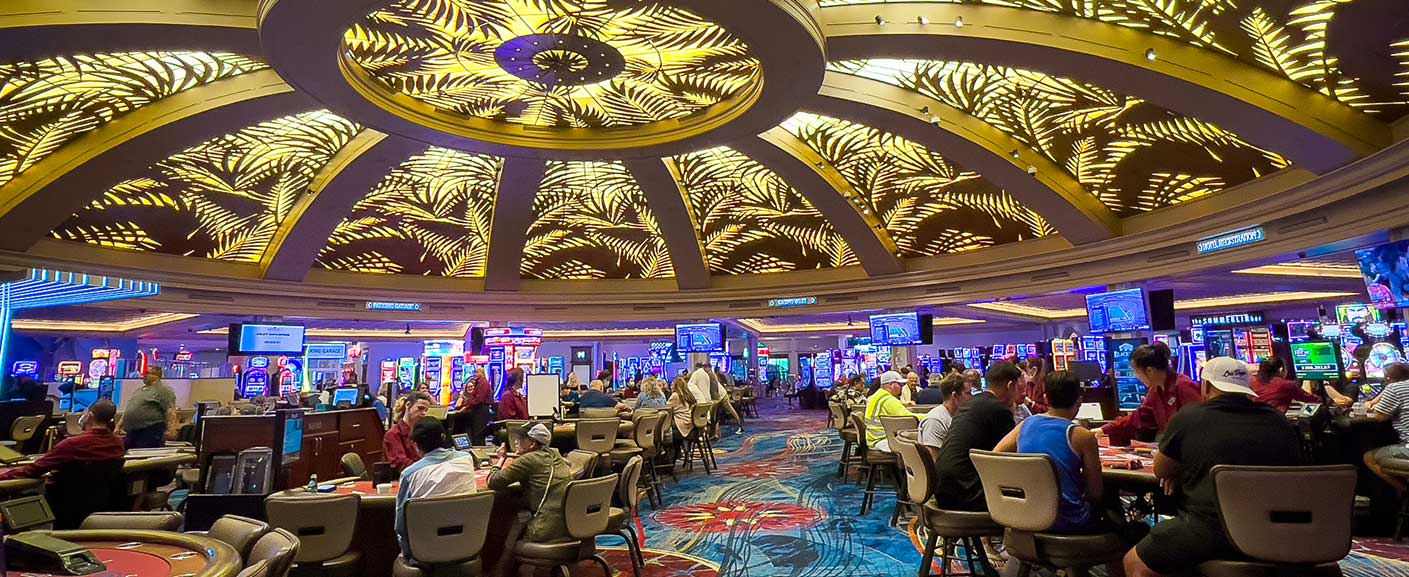
Environmental cues, such as the sounds and visuals associated with gambling venues, also trigger psychological responses that can drive behavior. The bright lights, engaging sounds, and celebratory atmosphere of casinos can create a sensory overload that enhances the desire to gamble. These factors combined can lead individuals to gamble more frequently and impulsively than they might otherwise consider.
The emotional aspect of gambling
The emotional states of individuals significantly influence their gambling behaviors. Many people engage in gambling as a means to escape negative emotions, such as stress, anxiety, or depression. The act of gambling can provide temporary relief from emotional distress, leading to a cycle where individuals feel compelled to gamble to achieve that fleeting sense of euphoria.
Conversely, winning can produce intense feelings of joy and elation, reinforcing the desire to gamble again. This emotional rollercoaster can create a dependency on gambling as a source of emotional regulation, making it challenging for individuals to step back and evaluate their behavior critically. Understanding these emotional triggers is essential for recognizing harmful gambling patterns.
Casino Classic Canada: A safe gaming environment
At Casino Classic Canada, players can explore a secure and licensed online gaming experience designed to cater to various preferences. The platform emphasizes user safety, offering a range of games with high return-to-player rates, ensuring an engaging experience for all users. With a focus on easy withdrawals and fast payouts, Casino Classic Canada aims to create a hassle-free environment for its players.
In addition to the exciting array of games, Casino Classic Canada offers ongoing promotions and a generous welcome package, making it an attractive option for both new and seasoned players. The user-friendly navigation allows players to easily explore their gaming options, enhancing their overall experience while prioritizing responsible gambling practices.